Extracurricular activities deliver measurable academic, social, psychological, physical, and long-term career benefits for most young people. The evidence is clear and consistent across decades of research: students who participate in structured activities outside the classroom show higher grades, stronger emotional resilience, better mental health, and greater readiness for college and careers. Here is a quick snapshot of what the research shows:
- Academic: higher grades, stronger engagement, lower dropout risk
- Social-emotional: teamwork, leadership, communication, and belonging
- Mental health: reduced depressive symptoms, improved self-esteem, greater resilience
- Physical: improved fitness, motor skills, and lifelong healthy habits
- Long-term: college admissions advantages and employer-valued soft skills
A prospective birth cohort study published in the Journal of Epidemiology & Community Health found that childhood participation in Scouts and Guides was associated with better mental health at age 50 and reduced socioeconomic inequalities in adult mental health outcomes. That is not a short-term boost. That is a life-shaping effect.
Table of Contents
- What types of extracurricular activities are there?
- Social and emotional learning gains you can actually see
- Physical health benefits that go beyond the gym
- Long-term outcomes: college, careers, and civic life
- How parents and educators can choose the right activities
- What the strongest research actually shows
- How extracurriculars build social diversity and inclusion
- How extracurriculars compare to other youth development interventions
- Key Takeaways
- Why structured programs like ours reflect the evidence
- Moe Rivers Scout Group: a fantastic next step for your family
What types of extracurricular activities are there?
Not all extracurriculars work the same way. Each category delivers a distinct set of developmental “nutrients,” and matching the right activity to a child’s temperament and goals matters more than picking the most prestigious option.
Here are the major categories and what each one typically offers:
- Scouting and youth-development programs — adult mentorship, progressive responsibility, outdoor skills, community service, and character development across ages 5–24
A population-level study of fourth graders found that children in “Individual & Team Sports” and “All Activities” clusters reported significantly higher wellbeing scores than nonparticipants. Sports participation was a particularly strong ingredient, but multi-activity profiles showed the broadest benefits.
| Category | Primary developmental “nutrients” | Best fit for |
|---|---|---|
| Team sports | Belonging, fitness, resilience | Social learners, competitive kids |
| Performing arts | Confidence, creativity, collaboration | Expressive, imaginative kids |
| STEM/robotics | Problem-solving, persistence | Analytical, curious kids |
| Scouting/youth programs | Mentorship, leadership, service | Kids who thrive with structure and adventure |
| Volunteering | Empathy, civic identity | Compassionate, community-minded kids |
Pro Tip: Instead of asking “What activity is popular?” ask “What does my child need to grow right now?” A shy child often gains more from a small-group scouting patrol than a large team sport, because the smaller social structure gives them room to find their voice.
Social and emotional learning gains you can actually see
Extracurriculars give young people something the classroom rarely can: a structured environment where social and emotional skills are practiced under real conditions, with real stakes. Teamwork is not a worksheet. Leadership is not a lecture. These skills develop through doing.
Core social-emotional learning (SEL) outcomes linked to extracurricular participation include:
- Teamwork and cooperative problem-solving
- Leadership and decision-making under pressure
- Communication across different personalities and backgrounds
- Empathy and perspective-taking
- Conflict resolution and negotiation
- A genuine sense of belonging and group identity
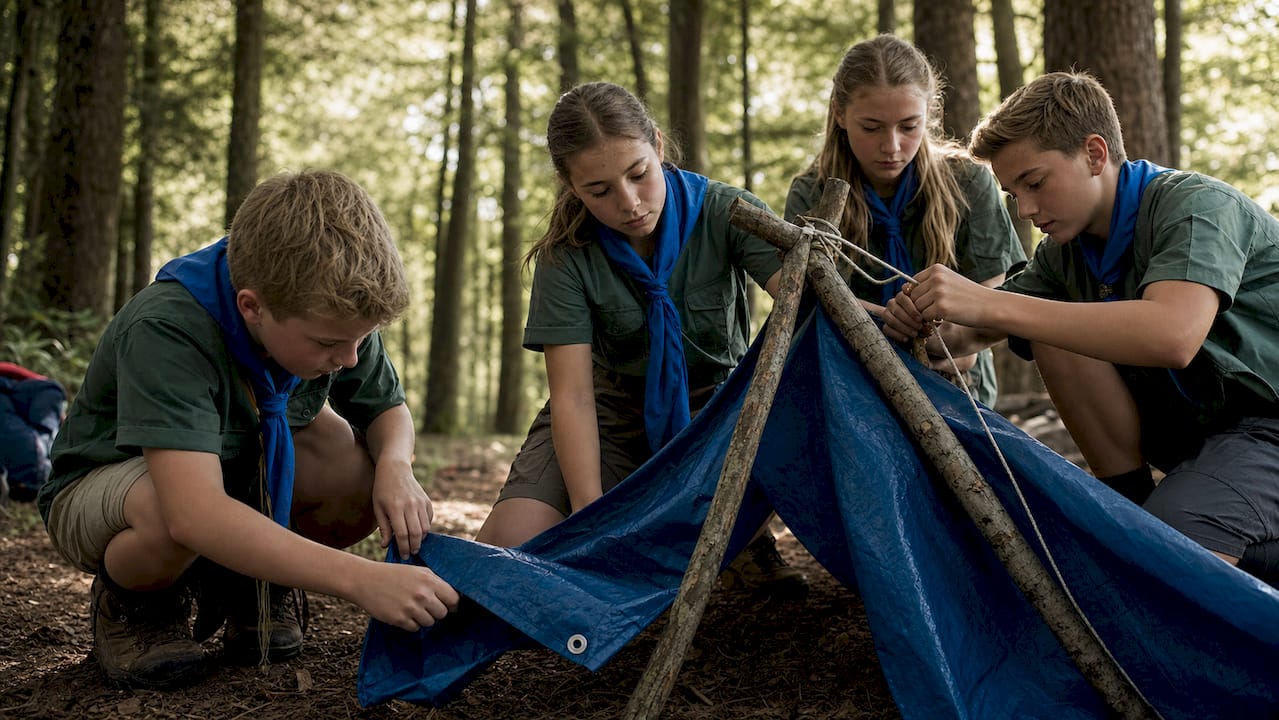
What makes extracurriculars particularly powerful for SEL is the architecture of progressive responsibility. A student who joins a scouting program at age 7 as a new member becomes a patrol leader at 12 and a youth leader at 16. Each step demands more from them. That progression is not accidental. It is the mechanism through which identity develops.
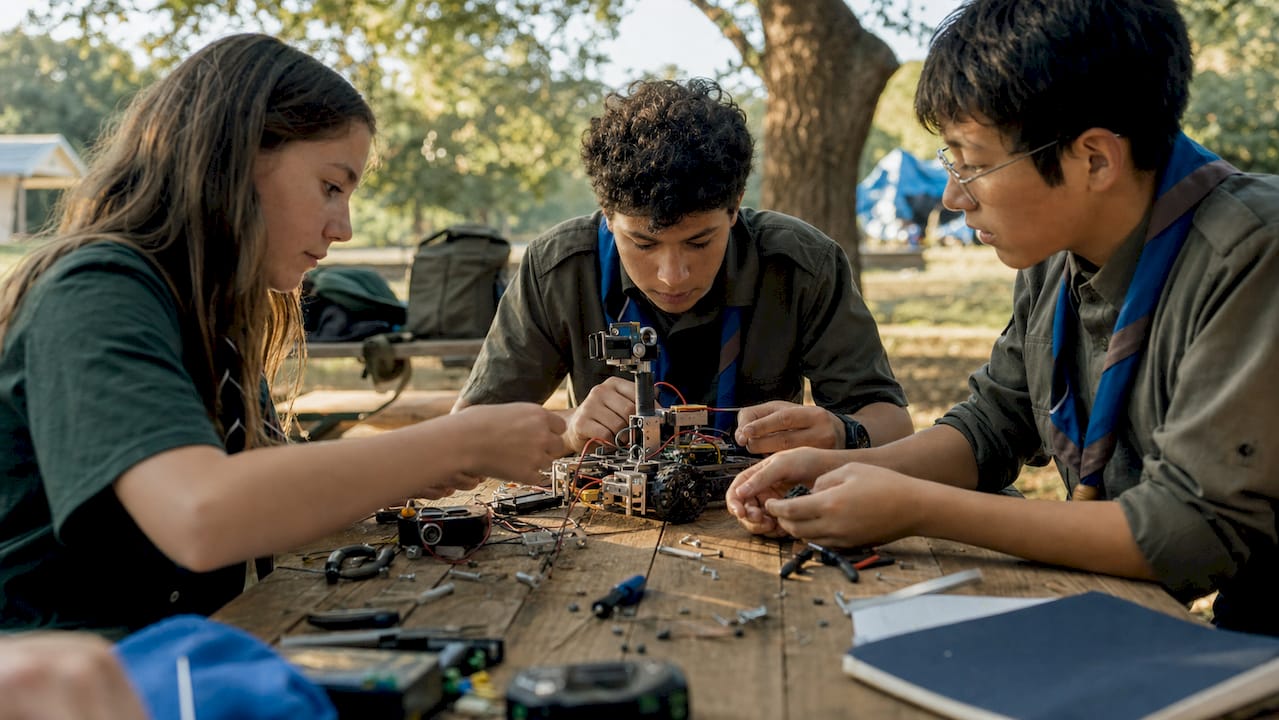
Consider a student who joins a robotics club as a shy seventh grader. By the end of the season, they have presented their team’s design to judges, debugged code under time pressure with teammates, and navigated a disagreement about engineering choices. No single classroom assignment replicates that combination of cognitive, social, and emotional demands.
Pro Tip: When evaluating a program for SEL value, look for whether it gives kids roles with real responsibility, not just participation. A program where every child has a defined job teaches leadership. One where kids just show up teaches attendance.
Physical health benefits that go beyond the gym
Active extracurriculars, particularly team sports and outdoor programs, produce physical benefits that extend well beyond the activity itself. Regular participation builds:
- Improved aerobic fitness and cardiovascular health
- Motor coordination and physical confidence
- Reduced risk of childhood obesity
- Healthy habits and attitudes toward physical activity that persist into adulthood
The habit-formation angle is underappreciated. A child who spends three years on a soccer team or in a scouting program that includes regular hiking and outdoor challenges is not just getting fit. They are building an identity as someone who is physically active, and that identity tends to stick.
Team sports, specifically, show stronger mental and social health benefits than individual sports, according to the systematic review cited above. The combination of physical activity and social belonging appears to be more powerful than either alone.
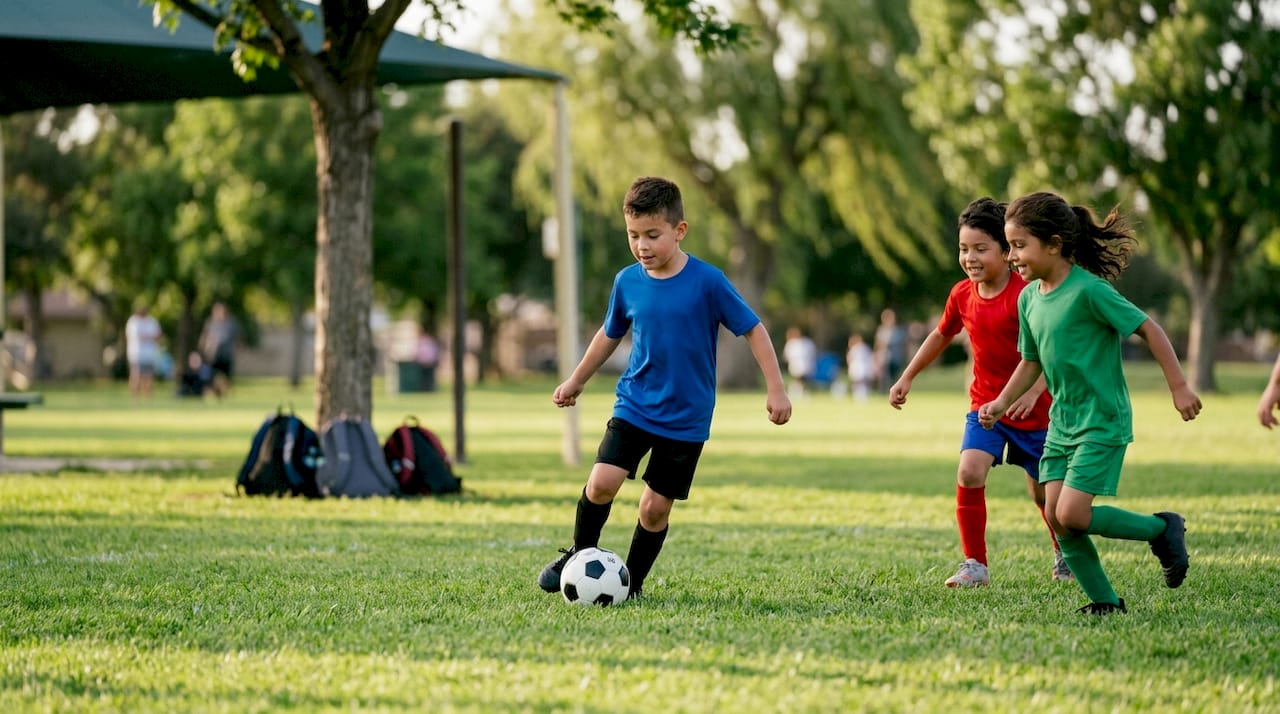
Pro Tip: For younger children (ages 5–10), prioritize activities that emphasize fun and movement over competition. Specializing too early in a single sport increases injury risk and burnout. Multi-sport or multi-activity participation at young ages builds broader physical literacy.
The Afterschool Alliance also notes that afterschool programs play a meaningful role in supporting healthy development, particularly for children who may not have safe outdoor spaces or access to recreational facilities in their neighborhoods.
Long-term outcomes: college, careers, and civic life
The advantages of extracurricular participation do not stop at graduation. They compound.
College Board’s BigFuture guidance is direct: sustained, meaningful extracurricular involvement helps applicants stand out in admissions, and admissions officers look for growth, contribution, and responsibility over time, not a long list of brief involvements. Depth beats breadth.
Here is how specific activities map to transferable skills:
- Scouting — → leadership, community service, ethical decision-making, self-reliance
Employers consistently cite communication, teamwork, and leadership as the soft skills most difficult to find in new hires. Extracurriculars are where those skills get built.
One important caveat: extracurriculars are one signal among many in both admissions and hiring. Quality and longevity matter far more than quantity. A student who spent four years leading a community service project tells a more compelling story than one who joined twelve clubs for a semester each.
How parents and educators can choose the right activities
Choosing an extracurricular is not about prestige. It is about fit. Here is a practical framework for making the decision well.
Checklist for choosing an activity:
- Does the child show genuine interest, not just parental enthusiasm?
- Is there consistent, trained adult supervision?
- Does the program offer progressive responsibility as the child grows?
- Is the time commitment realistic given school, family, and rest needs?
- Is the cost manageable, including hidden costs like equipment and travel?
- Does the program have clear inclusion and safety policies?
Questions to ask program leaders:
- How do you handle conflict between participants?
- What training do adult leaders and coaches have?
- How does the program support children who are struggling?
- What does progression look like over multiple years?
- How do you communicate with parents about their child’s experience?
Red flags to watch for:
- A coach or leader who prioritizes winning over development
- No clear pathway for children to take on more responsibility over time
- Excessive time demands that crowd out sleep, homework, or family time
- A child who consistently dreads going, not just occasional reluctance
How to negotiate activity load for busy families:
- Start with one activity per season and evaluate before adding more
- Build in at least one unstructured afternoon per week
- Watch for signs of burnout: irritability, declining grades, physical complaints
- Let the child lead the conversation about what to continue and what to drop
- Treat rest as a non-negotiable part of the schedule, not a reward
What the strongest research actually shows
The evidence base for extracurricular activities benefits is broad, but not all studies are created equal. Here is how the research stacks up.
| Study type | Strength | Limitation |
|---|---|---|
| Longitudinal cohort studies | Tracks individuals over time; stronger causal inference | Expensive; hard to control all variables |
| Systematic reviews / meta-analyses | Synthesizes multiple studies; identifies consistent patterns | Quality depends on included studies |
| Cross-sectional surveys | Large samples; quick snapshots | Cannot establish causation |
| Government data (NCES) | Representative national samples | Often correlational; limited on mechanisms |
What the strongest evidence consistently shows:
- Participation is associated with better academic engagement, mental health, and social outcomes across multiple study designs
- School-based activities show particularly strong academic associations
- Team-based and multi-activity participation tends to produce broader benefits than single-activity involvement
- Disadvantaged youth often show equal or larger gains, making access a policy priority
- Benefits follow a nonlinear curve: moderate participation outperforms both no participation and excessive participation
Methodology note: The studies weighted most heavily here are longitudinal cohort designs with representative samples, followed by systematic reviews. Cross-sectional studies and single-school convenience samples are used only to illustrate mechanisms, not to establish effect sizes.
Scouts Australia’s program design maps directly onto the evidence-based features that research identifies as most effective: adult mentorship, progressive responsibility, community service, and outdoor activity. These are not incidental features. They are the mechanisms the research points to.
How extracurriculars build social diversity and inclusion
Extracurricular programs, when designed well, bring together young people who would not otherwise interact. A school robotics team might include students from different grade levels, academic tracks, and social groups. A scouting patrol draws from across a community. That mixing matters.
Research on peer-group architecture in youth programs suggests that activities intentionally structured around prosocial peer interactions, such as small-group formats and shared missions, produce stronger developmental outcomes than purely skill-focused programs. The social scaffolding is part of what makes the activity work.
Programs that actively recruit across socioeconomic, cultural, and ability lines create environments where young people practice inclusion as a lived experience, not a lesson. That is a different kind of learning, and it tends to stick. Students who participate in diverse activity groups report greater comfort with difference and stronger cross-cultural communication skills, both of which employers and colleges consistently value.
How extracurriculars compare to other youth development interventions
Extracurricular activities are not the only tool for youth development, but they hold up well in comparison to alternatives.
Tutoring and academic support programs show strong effects on academic outcomes but limited impact on social-emotional development. Mentoring programs, such as Big Brothers Big Sisters, show meaningful effects on social and emotional outcomes but depend heavily on match quality and consistency. Therapy and counseling address mental health directly but are reactive rather than preventive. Extracurriculars, by contrast, work preventively across multiple domains simultaneously: academic, social, emotional, and physical.
The distinctive advantage of structured extracurricular programs is that they deliver benefits through normal, enjoyable participation rather than through intervention. A child does not need to be identified as struggling to benefit. They just need to show up. That universality makes extracurriculars a cost-effective population-level strategy, not just an individual enrichment choice.
The Harvard Educational Review notes that school-based programs are particularly effective, partly because they reach students who would not seek out community programs on their own. Embedding opportunity within the school day or immediately after it removes the access barriers that make community programs less equitable.
Key Takeaways
Extracurricular participation produces consistent, multi-domain benefits for young people, with the strongest gains coming from sustained, structured involvement that includes adult mentorship and progressive responsibility.
| Point | Details |
|---|---|
| Benefits span multiple domains | Academic, social-emotional, mental health, physical, and long-term career outcomes all improve with participation. |
| Disadvantaged youth gain the most | Socioeconomically disadvantaged students often show equal or larger gains, making access a critical equity issue. |
| Quality beats quantity | Sustained, meaningful involvement in one or two activities outperforms a long list of brief memberships in college admissions and skill development. |
| Balance matters | Benefits follow a nonlinear curve; excessive participation can reverse gains through stress and time pressure. |
| Moe Rivers Scout Group delivers the evidence-based features | Mentorship, progressive responsibility, community service, and outdoor activity are the mechanisms research points to, and they are built into the Moe Rivers Scout Group program for ages 5–24. |
Why structured programs like ours reflect the evidence
We have been part of the Moe community for over 100 years, and what strikes us most when we look at the research is how closely it describes what we have always done. Adult mentorship, progressive responsibility, community service, outdoor challenge, and a genuine sense of belonging are not program add-ons for us. They are the core of what we offer every young person who walks through our door, from Joeys at age 5 to Rovers at 24.
The evidence on why these features matter is now extensive. Longitudinal studies show that structured youth programs with these characteristics produce benefits that last decades, not just seasons. We see it in our members: the quiet child who becomes a patrol leader, the teenager who organizes a community fundraiser, the young adult who returns as a volunteer leader because the program gave them something they want to pass on.
What the research cannot fully capture is the warmth of a group that has been doing this together for a century. That community dimension, the shared history, the local roots, the familiar faces, is something we are proud to offer.
Moe Rivers Scout Group: a fantastic next step for your family
If you are a parent or educator looking for a program that delivers the benefits this article describes, Moe Rivers Scout Group offers exactly the combination the research points to: adult mentorship, progressive responsibility, community service, and outdoor adventure, all within a welcoming, community-driven environment that has served the Moe area for over 100 years.
Members aged 5–24 progress through a structured pathway that grows with them, building confidence, leadership, and real-world skills at every stage. The program is designed to be inclusive and accessible, with community sponsorship and fundraising initiatives that help keep costs manageable for families. Our fundraising programs are one of the ways we keep the doors open for every child who wants to join, regardless of family budget.
Visit Moe Rivers Scout Group to learn about trial meetings, membership options, and how your child can get started. We would love to welcome your family into ours.