
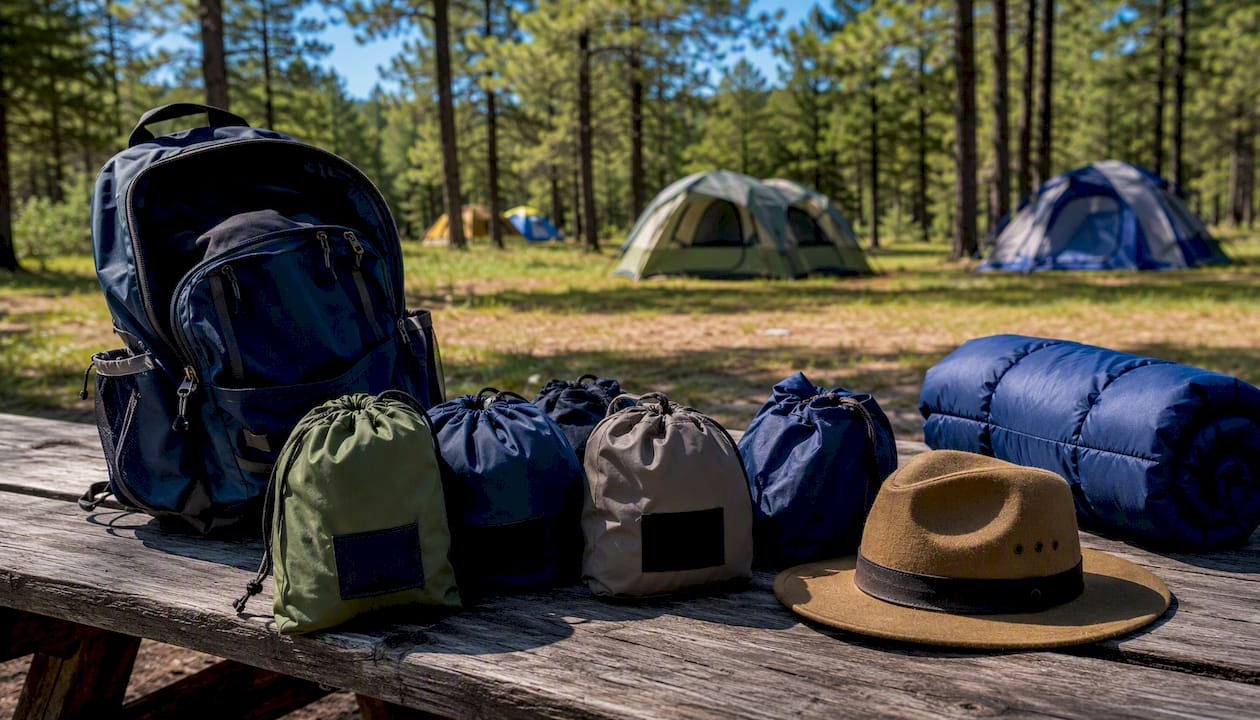
Every Scout heading to camp needs three things above all else: reliable rain protection, a durable water bottle, and all medications packed in their original containers alongside completed medical forms. Get those three right, and the rest of the scout camp packing list falls into place. Here at Moe Rivers Scout Group, we’ve helped hundreds of families pack for everything from weekend campouts to full week-long summer adventures, and the scouts who arrive prepared are the ones who have the most fun.
Your quick must-haves before we dig into the full checklist:
- Uniform (shirt, pants/shorts, belt, scarf)
- Sleeping bag rated for nighttime temps
- Reusable water bottle or canteen (at least 750ml)
- Rain jacket or poncho (lightweight, packable)
- Headlamp with extra batteries (preference headlamp not hand held torch)
- Prescription and OTC medications in original containers – provided to leaders
- Sunscreen (SPF 50 or higher, non-aerosol)
- Insect repellent (non-aerosol only at most camps)
- Completed health/medical form signed by a parent or guardian
- Towel
- Hat
Table of Contents
- Your complete scout camp checklist by category
- Scout-specific items, uniform rules, and camp policies you need to know
- How to pack and store your gear so nothing gets lost
- Medication rules, medical forms, and safety checks before departure
- Adjusting your gear list for weather and trip length
- Your departure-day checklist before you leave the house
- What the research says about gear priorities and budget options
- Key Takeaways
- What I always pack and what actually matters at camp
Your complete scout camp checklist by category
Use this table as a printable packing checklist. Print it, and check items off as you pack. Label every single item with your scout’s name and unit number before it goes in the bag.
| Category | Item | Qty | Notes |
|---|---|---|---|
| Clothing | Uniform | 1 | Generally worn to and from camp |
| Casual activity shorts/pants | 1 per day | Mix of shorts and long pants | |
| T-shirts | 1 per day | Lightweight, moisture-wicking | |
| Underwear | 1 per day + 2 extra | Cotton or synthetic | |
| Socks | 1–2 pairs per day | Wool or synthetic; blister prevention | |
| Pajamas/sleepwear | 1–2 sets | Warm layer for cool nights | |
| Swimsuit | 1–2 | Quick-dry fabric | |
| Light jacket or fleece | 1 | Even in summer; nights get cold | |
| Rain jacket or poncho | 1 | Non-negotiable per Scout Shop guidance | |
| Footwear | Closed-toe hiking shoes or boots | 1 pair | Required for most activities |
| Water shoes or sandals | 1 pair | Closed-toe for boating activities | |
| Flip-flops | 1 pair | Shower use only | |
| Sleep & Bedding | Sleeping bag | 1 | Rated for expected nighttime temp |
| Sleeping pad or foam mat | 1 | Insulation from ground | |
| Pillow | 1 | Compressible travel pillow saves space | |
| Stretcher (if not provided) | 1 | Check with camp first | |
| Toiletries & Hygiene | Toothbrush + toothpaste | 1 set | Travel size fine |
| Biodegradable soap/shampoo | 1 each | ||
| Deodorant | 1 | ||
| Towel (quick-dry) | 2 | One for swimming, one for showers | |
| Washcloth | 1–2 | ||
| Sunscreen SPF 50+ | 1 | Non-aerosol; reapply daily | |
| Insect repellent | 1 | Non-aerosol only at most camps | |
| Lip balm with SPF | 1 | ||
| Feminine hygiene products | As needed | ||
| Mesh laundry bag | 1 | Keeps dirty clothes separate | |
| Safety & First Aid | Personal first-aid kit | 1 | See Section 5 for contents |
| Prescription medications | Per schedule | Original containers; submit to leaders | |
| OTC medications | As needed | Allergy meds, pain reliever | |
| Medical/health form | 1 | Signed / current | |
| Hydration & Food | Water bottle | 1–2 | 750ml minimum |
| Snacks (if permitted) | Per camp rules | Sealed, no strong odors | |
| Daypack & Navigation | Small daypack | 1 | For hikes and daily activities |
| Compass | 1 | Required for navigation merit badge | |
| Notbook & pen | 1 | ||
| Headlamp | 1 | Headlamp preferred; hands-free | |
| Extra batteries | 1 set | Match your headlamp type | |
Pro Tip: Pack each day’s outfit (shirt, shorts, socks, underwear) into a labeled gallon zip-top bag. Scouts can grab a bag each morning without digging through the whole trunk, and wet items stay isolated from dry ones. ScoutLife recommends this exact approach for first-time campers.
Scout-specific items, uniform rules, and camp policies you need to know
Some items on the camping gear checklist are universal. Others are specific to scouting, and getting them wrong can mean a scout misses an activity or fails a check-in inspection.
Uniform requirements. The uniform is worn for ceremonies, some meals, and travel days. Most camps specify exactly when uniform is required, so check your camp schedule. Pack a plastic hanger to hang in tent when not in use.
The Scout Handbook and merit badge pamphlets. Scouts working toward merit badges during camp need the relevant pamphlets. Some badges have prerequisites that must be completed before arriving, so review the BSA’s official campout checklist and your camp’s program guide well before departure day.
Pocketknife policy. Scouts who have earned their knife license may bring a pocketknife to designated activities. A signed parent consent authorising the youth to bring their approved knife / multitool.
Key policy callouts:
- Medical forms must be current and signed by a parent or guardian
- All prescription medications are submitted to the leader at check-in
- Electronics (phones, tablets, gaming devices) are generally not required, these are also classified on our code of conduct. Any breach of the code of conduct will be dealt with in accordance to the code.
How to pack and store your gear so nothing gets lost
Container choice makes a bigger difference than most parents expect. A rolling duffel bag is often the preferred option, Scouts often have to carry (or drag) their gear from the transport dropoff location to their site, so where possibly a large bag on wheels + a small daypack / personal bag for items needed immediately on arrival works best.
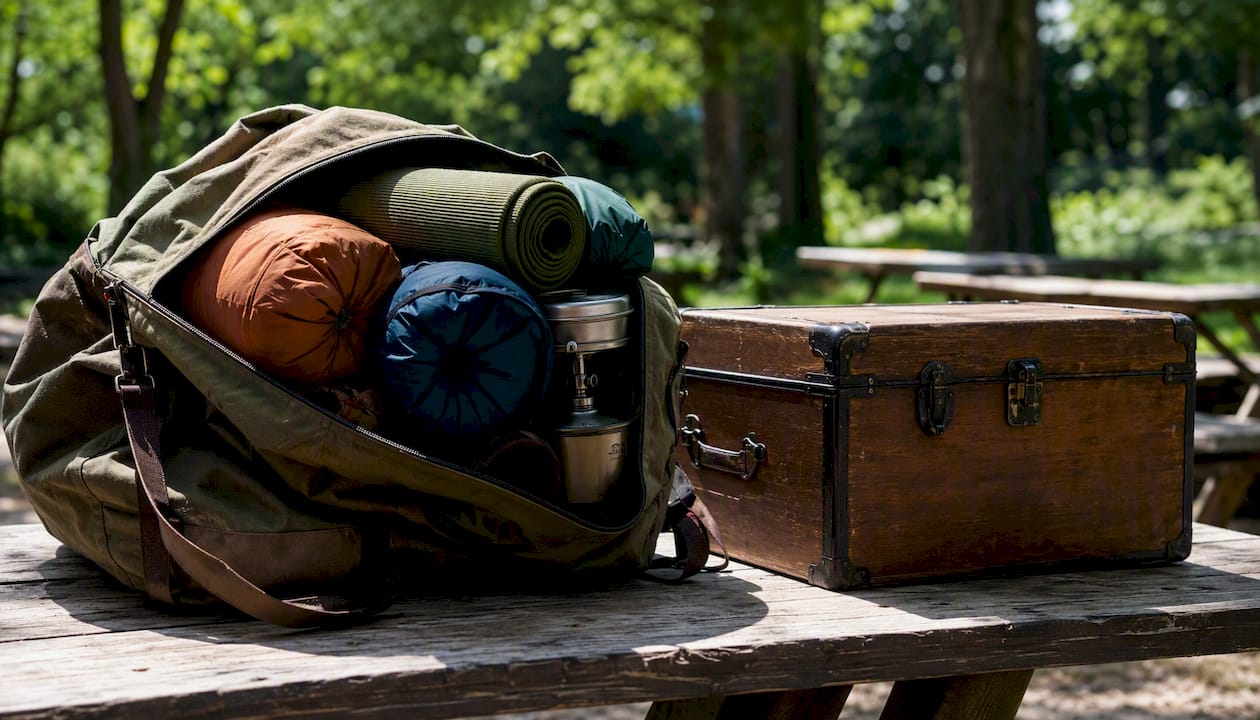
Loading order matters on travel day. Pack the daypack last and keep it accessible: swimsuit, towel, hat, water bottle, medications (if not yet submitted), and the emergency contact card all go in there. The large bag should fit, clothes, bedding, towels etc.
A few organisation habits that genuinely help:
- Roll clothing instead of folding it to save space and reduce wrinkles
- Use a mesh laundry bag for dirty clothes so they never mix with clean items
- Hang the uniform on a plastic hanger inside a sealed garment bag or large zip-loc bag
- Store extra batteries in a small zip-loc bag, separate from the headlamp, to prevent accidental drain
Pro Tip: Label everything with a permanent marker or iron-on labels: name, unit number, and troop contact. Socks, underwear, and towels disappear most often. A quick label on the waistband or corner tag takes 30 seconds and saves a lot of frustration at pickup.
Always check your camp information before buying heavy gear. Many camps provide tents, stretchers, and dining equipment, so purchasing those items in advance can be unnecessary.
Medication rules, medical forms, and safety checks before departure
Scout safety guidelines are clear: all prescription medications must arrive in their original pharmacy containers, labeled with the scout’s name, dosage, and administration schedule. At check-in, a parent or guardian submits them directly to the leader or other designated adult. Over-the-counter medications follow the same rule. No loose pills in zip-top bags, no unlabeled bottles.
Steps to complete before departure day:
- Complete the current Health / Medical Record process (speak to leader for information)
- Place all medications in original containers with clear labels.
- Prepare a written medication schedule to hand to the leaders
Personal first-aid kit basics. A small personal kit supplements what the camp 1st aid provides.
Adjusting your gear list for weather and trip length
A weekend campout and a week-long summer camp call for different approaches, and so do rain, heat, and cold. The WOSM packing guide specifically recommends tailoring your list to location, season, and duration rather than using a one-size-fits-all approach.
Weekend vs. week-long adjustments:
- Weekend: two to three shirts, one spare pair of pants, smaller trunk or duffel, lighter sleeping setup
- Week-long: one outfit per day, two extra sets of underwear and socks, a sturdier sleeping pad, and a mesh laundry bag for mid-week washing
| Condition | Add to your list | Notes |
|---|---|---|
| Rain |
Extra socks (2–3 pairs), waterproof stuff sack for sleeping bag |
Camp programs continue in rain; staying dry is critical |
| Heat | Second water bottle, wide-brim sun hat, lightweight long-sleeve shirt | Long sleeves protect from sun better than sunscreen alone |
| Cold | Insulating base layer, higher-rated sleeping bag, closed-cell foam pad | Foam pads insulate better than air pads in cold ground conditions |
| Humid/wet climate | Quick-dry towels, extra zip-top bags, moisture-wicking fabrics only | Cotton stays wet for hours; synthetic dries fast |
Rain gear deserves special emphasis. Scout Shop’s camp checklist lists a rain jacket or poncho as a non-negotiable item because camp schedules rarely pause for weather. A soaked scout without dry gear is miserable by lunchtime and a health concern by evening.
Always check your camp information to confirm which items the camp provides (tents, stretchers, dining gear) before buying bulky equipment you may not need.
Your departure-day checklist before you leave the house
This is the final pass. Run through it the morning of drop-off, not the night before.
Documents and paperwork:
- [ ] Completed, signed medical/health form
- [ ] Medication schedule written out for leader
Gear and packing:
- [ ] All medications in original containers, ready to submit at check-in
- [ ] Every item labeled with name and unit number
- [ ] Daypack packed with swim gear, towel, hat, water bottle
Communication plan:
- [ ] Troop leader’s phone number saved
- [ ] Camp number written down
- [ ] Expected arrival time and drop-off location confirmed
- [ ] Plan in place for delayed travel (alternate contact, troop group chat)
What the research says about gear priorities and budget options
Scout experts consistently name three categories as the highest priority: rain protection, hydration, and medical documentation. The Scout Shop’s camp checklist and ScoutLife’s gear guide both place rain gear and a reliable water bottle at the top of every list. WOSM’s guidance reinforces the same priorities across all member organisations globally.
For parents shopping on a budget, here are practical tiers for three high-impact items:
Water bottle:
- Budget: A standard wide-mouth bottle (750ml, BPA-free, around $10–$15) handles everything camp throws at it.
- Mid: An insulated stainless-steel bottle keeps water cold through a full activity day.
- Premium: A hydration pack (like a Camelbak) is ideal for long hikes.
Sleeping pad:
- Budget: A closed-cell foam pad is lightweight, indestructible, and insulates well from cold ground.
- Mid: A self-inflating pad adds comfort without much extra weight.
- Premium: An ultralight insulated air pad saves pack space for backpacking-style camps.
Headlamp:
- Budget: A basic LED headlamp with AAA batteries covers tent setup, latrine trips, and reading.
- Mid: A rechargeable USB headlamp eliminates battery worry about week-long camps. (just consider recharging options)
- Premium: A higher-lumen model with a red-light mode is worth it for older scouts doing night navigation.
Pro Tip: Buy durable over cheap for the items your scout uses every single day: water bottle, headlamp, and rain jacket. A $12 poncho that tears on day two is money wasted. A quality rain jacket lasts years of camps.
Key Takeaways
A complete scout camp packing list starts with three non-negotiables: rain gear, a reliable water bottle, and all medications in original containers with a signed medical form.
| Point | Details |
|---|---|
| Rain gear is non-negotiable | Pack a lightweight rain jacket or poncho; camp programs run in wet weather regardless. |
| Medications need original containers | Submit all meds to the leaders at check-in with a written administration schedule. |
| Organize clothing by day | Use labeled zip-loc bags, one outfit per bag, to speed mornings and isolate wet items. |
| Label every single item | Write name and unit number on all gear before it leaves the house. |
What I always pack and what actually matters at camp
Most packing lists tell you what to bring. Fewer tell you what to skip and what to never leave behind. After years of leading scouts through camps with Moe Rivers Scout Group, three small items have saved the day more times than any premium gear purchase: a spare pair of dry socks, a small roll of duct tape, and a plastic hanger for the uniform.
Dry socks sound obvious until a scout’s only pair is soaked at 7 AM on day three. Duct tape fixes broken tent poles, torn rain gear, and loose boot soles. The plastic hanger keeps the uniform looking sharp for ceremony, which matters more to scouts than parents often expect.
What parents often overbuy: expensive multi-tool knives (most camps restrict them anyway), elaborate camp chairs (benches and logs are everywhere), and full-size toiletry bottles (travel size is plenty for a week).
What they underbuy: extra socks, a second water bottle, and a quality rain layer.
The scouts who arrive at camp with organised gear, labeled items, and their medical forms ready are the ones who walk straight through check-in and get to the fun faster. That’s the whole point of packing well. Moe Rivers Scout Group has been helping families get that right for over 100 years, and we’re proud to keep that tradition going.